Our Blog

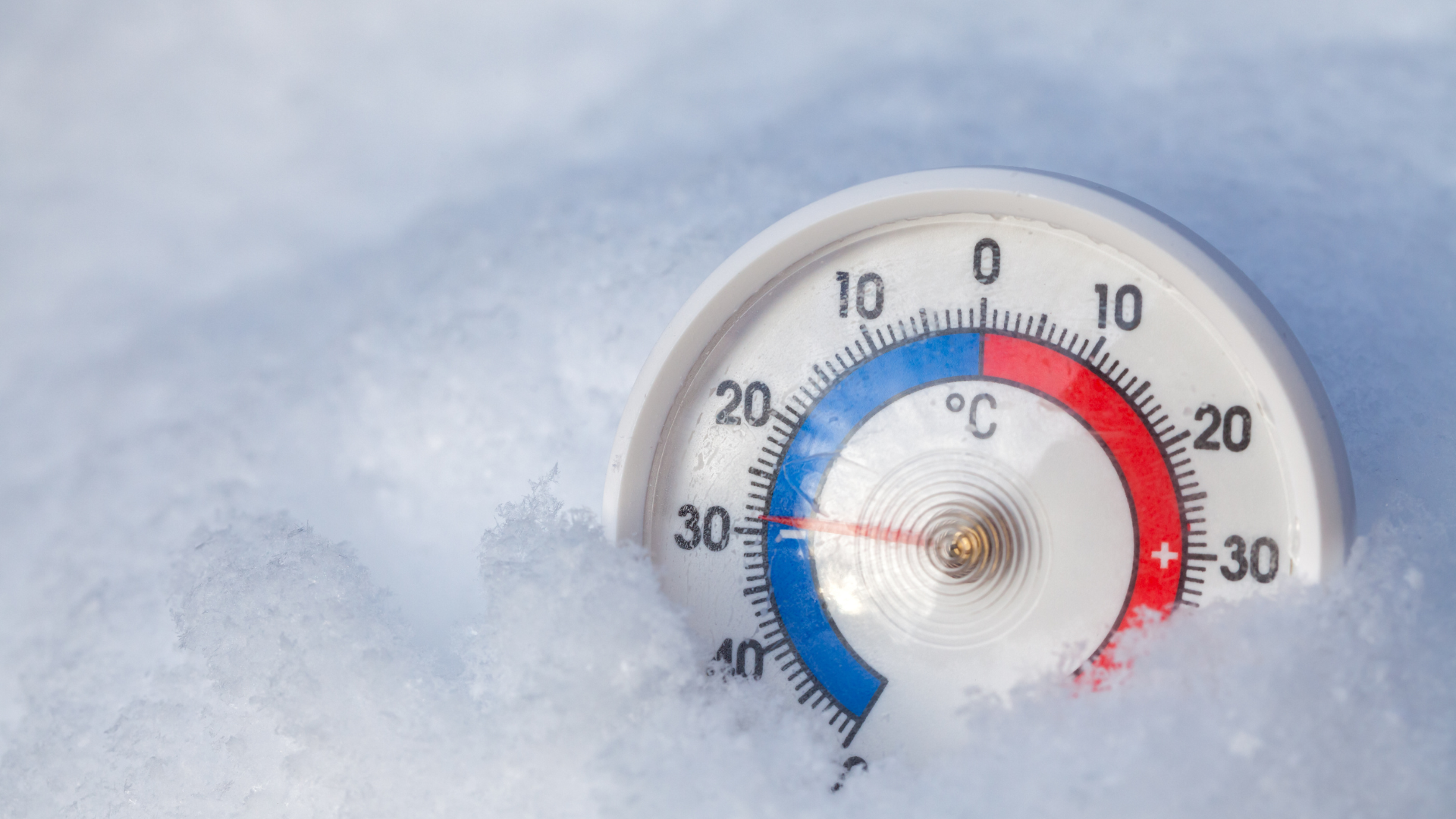
thermometer next to a winter tire

When to Switch to Winter Tires: Why 7°C Is the Magic Number

By Safety

Deciding when to switch to winter tires is one of those seasonal questions that most of us answer by instinct, whether that’s the first frost, the first snowfall, or a date we’ve settled on over the years. It’s a reasonable way to go about it, but there’s also a more precise guide that many drivers find helpful: the 7 degree rule for winter tires. Once you understand what it’s based on, choosing the right weekend for your swap tends to feel a lot more straightforward.

The 7 Degree Rule for Winter Tires, Explained

The 7°C rule comes down to how tires perform in colder temperatures. As daily temperatures consistently drop to 7°C or below, winter tires generally begin to outperform all-season tires. This is true even when there’s no snow on the ground, as colder temperatures affect how tires behave on the road. It’s an important distinction to keep in mind, especially since temperatures often fall below 7°C well before the first snowfall arrives.

What Happens to Your Tires Below 7°C

A tire’s performance depends a great deal on the rubber it’s made from. All-season tires use a firmer compound that’s designed to handle a wide range of conditions, and as temperatures approach 7°C that compound gradually begins to stiffen. A stiffer tire doesn’t grip the road quite as well, even on dry pavement, which can affect braking, cornering, and acceleration in ways you might not notice until you need them.

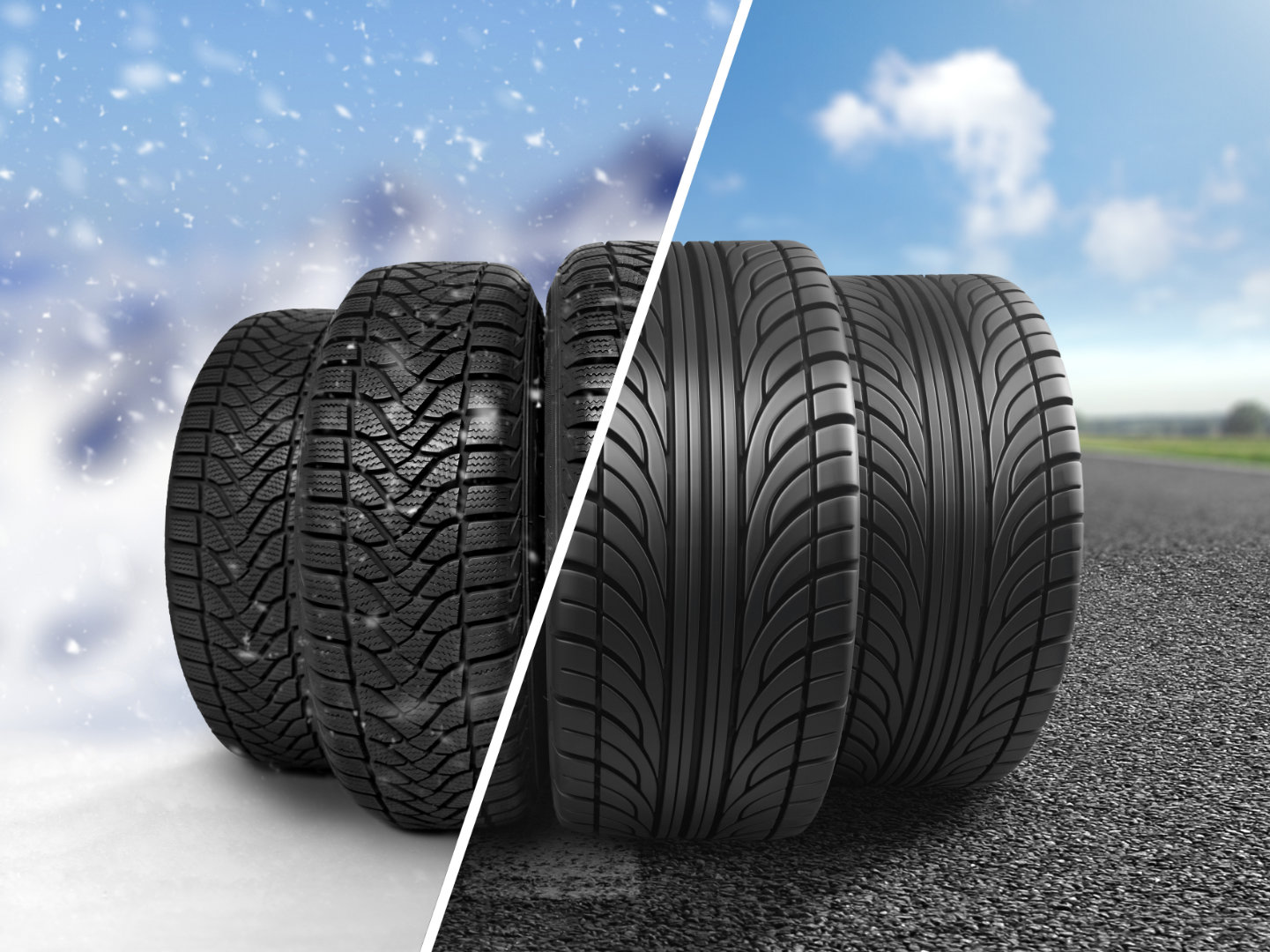
Winter tires are made with a softer compound that stays flexible in the cold, which lets the tire keep conforming to the road surface as the temperature falls. The tread pattern plays its part too, though the rubber does much of the work. If you’d like to see the two tire types compared side by side, our guide to the differences between them goes into more detail.

Why the Thermometer Beats the Calendar

Winter tire laws are a good reminder of how much the timing varies across the country. Quebec requires winter tires from December 1 to March 15, and British Columbia requires winter tires or chains on most designated highways from October 1 to April 30. Those dates set a legal deadline, though many drivers find the ideal time to swap comes a little earlier, since temperatures in much of Canada dip below 7°C well before December. If you’d like to see what applies in your province, our province-by-province overview covers the requirements in more detail.

Likewise, many of us wait for the first snowfall as a natural cue, and it makes sense that we would. The only catch is that the cold has usually been affecting all-season tires for a few weeks by the time the snow shows up, so watching the forecast for temperatures can give you a bit of extra lead time.

7 degree rule for winter tires,

How to Track the Temperature Without Overthinking It

Following the 7 degree rule for winter tires doesn’t take much effort, and a few simple habits can make it feel natural:

  • Check both the daily highs and the overnight lows in your weather app, since mornings are often the coldest part of the day
  • Watch for a stretch of about a week where the highs hover around 7°C, which is a good sign that the season is turning
  • Keep in mind that shaded roads and bridges tend to be colder than the air temperature suggests

Once you notice the weather is consistently around 7°C, choose a dry weekend so you can take your time with the swap.

A Helpful Pre-Swap Checklist for Winter Tires

Before your winter set goes on, it’s worth taking a few minutes to look over a handful of things:

  • Tire pressure: make sure your winter tires are properly inflated before installing them
  • Tread and sidewalls: check for uneven wear, cracks, bulges, or any other visible damage
  • Wheel markings: if your tires are directional or have a specific rotation pattern, confirm that each wheel goes back on the correct corner
  • Hub faces: clear away any dirt and rust from the wheel hub before mounting

Making the Swap a Driveway Job

Once you’ve picked your weekend, the swap itself can be a very manageable project. Your floor jack takes care of the lifting, and the part that many people find most challenging is what comes next: holding a 40 to 100 lb tire steady while lining it up with the bolts, usually from a crouched position.

That’s the step the Jack and Jill of All Tires was designed to help with. It works alongside your floor jack, supporting the tire’s weight so that you’re guiding the wheel into place instead of struggling with it. Our complete step-by-step guide walks through every stage of a tire change, and the tools page lists what’s helpful to have on hand. Ready to make tire changing easy? Check out the Jack and Jill of All Tires here.
The 7 Degree Rule for Winter Tires Works in Reverse Too

The same number is a useful guide in the spring. Once temperatures are consistently above 7°C, the softer rubber on winter tires tends to wear more quickly on warm pavement, so that’s a good time to switch back to your all-season set. For more on caring for your tires through the seasons, the Tire and Rubber Association of Canada is a helpful resource.

Car Wash Tips: 5 Simple Steps for a Perfect Wash (And Why It Matters More in Winter)

By Car Cleaning, Repair Tips


A good wash does more than make your car look sharp. These car wash tips cover the small habits that actually protect your paint and your undercarriage, especially once winter driving is involved.

Our Top Car Wash Tips for Protecting Your Paint

1. Rinse from the top down. Dirt and grime settle lower on the car, so working top to bottom keeps you from dragging grit across paint you’ve already cleaned.

2. Don’t skip the undercarriage. This one matters most in winter. Road salt collects on the undercarriage and wheel wells, and left alone, it speeds up rust. A rinse focused underneath the car is one of the most protective things you can do between November and March.

3. Use a proper wash mitt, not a sponge. Sponges tend to hold grit against the surface as you wash. A microfiber mitt is gentler and far less likely to leave swirl marks over time.

4. Dry it properly. Air drying leaves water spots, especially with hard water. A microfiber towel or a quick chamois pass keeps the finish looking clean.

5. Wax a couple of times a year. A coat of wax adds a layer of protection between your paint and everything the road throws at it, especially salt and slush in winter.

car wash tips, rinsing undercarriage after winter driving

Why these car wash tips matter more in winter

Road salt is effective at melting ice, but it’s hard on a car’s undercarriage, wheel wells, and paint over time. A wash every couple of weeks through the winter months, undercarriage included, is one of the simplest habits you can build to protect your investment.

Keeping your car clean is one piece of winter-ready maintenance, but it’s not the only one. Checking your tires before the season changes matters just as much, and making that swap doesn’t have to be a hassle either. If you’re due for a seasonal tire change, the Jack and Jill trolley takes the heaviest, most awkward part of the job off your hands, so a quick wash and a tire swap can both get done in the same weekend without either one being a chore.


A good wash does more than make your car look sharp. These car wash tips cover the small habits that actually protect your paint and your undercarriage, especially once winter driving is involved.

Our Top Car Wash Tips for Protecting Your Paint

1. Rinse from the top down. Dirt and grime settle lower on the car, so working top to bottom keeps you from dragging grit across paint you’ve already cleaned.

2. Don’t skip the undercarriage. This one matters most in winter. Road salt collects on the undercarriage and wheel wells, and left alone, it speeds up rust. A rinse focused underneath the car is one of the most protective things you can do between November and March.

3. Use a proper wash mitt, not a sponge. Sponges tend to hold grit against the surface as you wash. A microfiber mitt is gentler and far less likely to leave swirl marks over time.

4. Dry it properly. Air drying leaves water spots, especially with hard water. A microfiber towel or a quick chamois pass keeps the finish looking clean.

5. Wax a couple of times a year. A coat of wax adds a layer of protection between your paint and everything the road throws at it, especially salt and slush in winter.

car wash tips, rinsing undercarriage after winter driving

Why these car wash tips matter more in winter

Road salt is effective at melting ice, but it’s hard on a car’s undercarriage, wheel wells, and paint over time. A wash every couple of weeks through the winter months, undercarriage included, is one of the simplest habits you can build to protect your investment.

Keeping your car clean is one piece of winter-ready maintenance, but it’s not the only one. Checking your tires before the season changes matters just as much, and making that swap doesn’t have to be a hassle either. If you’re due for a seasonal tire change, the Jack and Jill trolley takes the heaviest, most awkward part of the job off your hands, so a quick wash and a tire swap can both get done in the same weekend without either one being a chore.


person wearing flip flops with their feet in the snow

Why You Should Change Your Winter Tires

By Jack and Jill of All Tires, Repair Tips, Tires

Why You Should Change Your Winter Tires


The rubber and tread on winter tires are specially designed to be more flexible; making it easier to withstand cold temperatures as well as driving on ice and snow.

When the temperature starts to rise, the flexible rubber that adds traction in the winter will wear down significantly faster compared to all seasons or summer tires.

In addition to wear and tear, driving on warm, dry pavement with winter tires can decrease the drivers’ handling capabilities. Sharp turns aren’t so sharp, and you may notice a bit more noise while you drive.

Important Safety Tips

  • Driving on winter tires in summer increases the braking distance by at least 10% on dry pavement and 26% on wet pavement.
  • Going 70 km/h on wet pavement increases the braking distance by up to 42%.
  • Going 90 km/h on dry pavement increases the braking distance by up to 19.3%.

Winter Tires

When You Should Change Your Winter Tires


Even though the snow and ice may be gone, you should really be changing your tires based on the temperature rather than the winter elements.

The guidelines may vary between tire brands but, on average, the best time to change from winter to summer tires is when the temperature is consistently around 8°C (46°F).

To put this into perspective, treat your tires as footwear. You swap flip-flops for boots in the winter, so you should also swap your tires when the weather changes.


Visit our website for more information on how to change your tires at home!

Autoshow Transofrmative Times logo

Special Features at the Canadian International AutoShow

By Jack and Jill of All Tires, News, Tires

The 2020 Canadian International AutoShow is just around the corner and we have put together the important features for you!


1. A Celebration of Canada’s military history

There will be a military zone to celebrate the vehicles used by the Canadian Armed Forces in the late 20th and early 21st centuries.

The General Manager of the AutoShow, Jason Campbell says,

“Our presentation of Second World War-era vehicles was very well received last year. These vehicles have been integral to the safety and success of our men and women in uniform. It is an honour to present this all-new impressive mechanized showcase for public viewing at the AutoShow.  We should all be grateful for the work done by the Ontario Regiment Museum for keeping these vehicles in working order and helping us remember all those that have sacrificed so much in the defence of our country.”

Some of the vehicles include:

  • Leopard C2 MBT (Main Battle Tank)
  • CDN Bombardier Iltis
  • CDN M113 Armoured Personnel Carrier (APC)
  • AVGP Grizzly (LAV)

2. Back by popular demand… Electric Vehicle Test Drives

With more than 18 vehicles, consumers will be able to discover and have all their EV questions answered!

You can register to drive an electric vehicle at the show or online here!

3. Throwback to the 80s and 90s

The Canadian International AutoShow is teaming up with Oblivion Car and Culture show to bring the newest group of classic cars to Toronto.

The centrepiece of the classic cars will be the DeLorean time machine, made famous from the 1985 blockbuster “Back to the Future”

4. Luxury Cars

The show will feature two luxury cars this year:

The Felino cB7R – The Canadian-Made Supercar

La Voiture Noir – The world’s most exclusive Bugatti

“Toronto has quickly gained a reputation as a supercar mecca, and the Canadian International AutoShow is reflective of its host city by bringing some of the most unique and iconic hypercars from around the world to the Show,” says Jason Campbell, General Manager of the AutoShow.

“The Bugatti La Voiture Noire is one of the highest profile entrants in this sector, and one of the most beautiful and powerful cars we have ever been able to showcase.”

4. Jack and Jill of All Tires

Visit Jack and Jill in the SOUTH building! We’re extremely excited to be participating in the 2020 CIAS and hope to see you all there. Stop by for exclusive deals on the Jack and Jill of All Tires and fun activities for the whole family!

AutoShow

Find Jack and Jill on level 600 in the South Building, right beside the stairs.

Location: Toronto Metropolitan Convention Centre 

Dates: February 14-23, 2020

cartoon graphic of Jack and Jill of All Tires booth at AutoShow

Jack and Jill’s AutoShow Journey

By Jack and Jill of All Tires, News, Tires

Why the AutoShow?

At first glance inventing sounds simple, but when you begin the process you’ll find that you are faced with a lot of questions: Has someone already thought of this? Will people use it? How will people find out about it?

Transforming your ideas into an actual product is an exciting process. However, once it’s complete, you’re now faced with the decision of how to introduce it into the market-place. 

With all the time and effort put into something you are passionate about, all you can hope for is that your project has a positive and successful response. And that is why we will forever be grateful for the opportunity to showcase the Jack and Jill of All Tires at the Canadian International AutoShow in Toronto. 

2018 CIAS

The Jack and Jill of All Tires makes its debut! Launching full force, our booth included a Fiat 500 to show our product in action and a raffle draw to win a Jack and Jill of All Tires! We also set up a life size photo prop of Jack and Jill as a fun and interactive way to enjoy the AutoShow.

AutoShow

Highlights

In an interview with Emily Atkins from the Toronto Star, she perfectly highlighted the Jack and Jill of All Tires and helped feature our goals in the article.

“Our intention is to really help people feel more comfortable with changing their own tires and to feel safe on the road. We feel that there’s no better way to launch than at this year’s CIAS” (Devan Tommasini). 

Auto Show

The recognition from the Toronto Star was huge for us. I mean, how cool is that?

We also had the opportunity to participate in the AutoShow Live panel discussions for new products which was a great experience as well. 

We couldn’t have asked for a better launch of the Jack and Jill of All Tires at the 2018 CIAS and we left the show with amazing feedback, new friends and excitement for 2019. 

2019 CIAS

This was our second year at the AutoShow and we couldn’t have been more excited. With such great feedback and interest from our previous year, we couldn’t wait to showcase the Jack and Jill of All Tires in a new location and upgraded booth. We said goodbye to the Fiat 500 and created a fender and wheel prop to give live demos of the Jack and Jill.

AutoShow

And of course, the Jack and Jill photo prop was a big hit AGAIN!


Highlights

Our favourite moments throughout the show were seeing familiar faces from our previous year. In addition, we had a chance to meet some of our online customers and received positive feedback and support. Engaging with new and familiar people was invaluable in our second year.

2020 Canadian International AutoShow 


Gearing up for round 3! We’re incredibly excited for the 2020 CIAS and hope to see you all there! Stop by for exclusive deals on the Jack and Jill of All Tires and fun activities for the whole family!

Find Jack and Jill on level 600 in the South Building, right beside the stairs. 

Location: Toronto Metropolitan Convention Centre 

Dates: February 14-23, 2020

Cars in a snow storm

Get Ready for the Snow and Ice

By News, Repair Tips, Safety

Before you venture out into the snow and ice this winter, be sure that you have winter tires to increase your safety on the road.

Purchase the Jack and Jill of All Tires to help you change your winter tires today!


Even though driving may feel like second nature, when the weather changes the road conditions, we must be extra cautious to ensure the safety of ourselves and others.


Here are some tips to help navigate through the snow and ice:


Drive Slowly

Slow and steady really wins the race! When there’s lots of snow and ice on the ground, driving in slower speeds will help your tires gain more traction and control while on the road.

Keep Your Distance

The more space you keep between you and the vehicle in front, the more time you have to stop or react to sudden action on the road.

Keep Moving

Don’t stop on snow or ice if you can avoid it. It’s difficult to regain inertia when your tires have stopped moving, so we suggest keeping a steady pace when making a turn or approaching a light (U.S. News & World Report).

How to prevent problems on the road


While driving cautiously can help you be safe on the road, there are other ways you can ensure safety throughout your vehicle and travels:


1. Plan your trip and check for weather and road conditions.

Check weather updates from your local news station OR use a weather app on your phone to get the latest conditions of where you are and where you’re going.

2. If you’re in an area that receives snow, consider winter tires.

Check out our previous blog post to learn about this seasons’ weather predictions across Canada and U.S.

3. Carry extra windshield fluid.

Winter aka ‘washer fluid season’ calls for lots of dirt, salt and debris on the road that will impact your visibility while driving. It’s always important to be topped up, but especially during the winter months. Keeping extra washer fluid in your car is a great way to stay safe on the road.

4. Pack an emergency kit.

You can’t plan for an accident – so it’s important to be prepared for when one happens. Keeping a compact emergency kit in your vehicle will get you through the more common dead batteries to more serious roadside incidences. The Get Jacked Safety Kit comes with the tools you need to get yourself out of trouble and items to keep you comfortable until help arrives.


snow and ice


“Prevention is better than recovery.” 


Be sure to check your battery, ignition system, lights, brakes, tire pressure, windshield wipers, heating and cooling systems!


Safe travels this winter.


Person wearing gloves using an ice scraper on a car windsheild

5 Game-Changing Winter Driving Accessories

By Accessories, Repair Tips, Safety, Tires

Aside from the obvious jumper cables, first aid kit, washer fluid, snow brush and ice scraper, there are a few more essentials that every motorist should have in their car during winter.

Here are Jack and Jill’s top 5 winter accessories from Amazon:


1. Windshield Snow Cover

Not only does this cover keep the snow off your windshield, it also saves you from scraping the frost and ice. This accessory will ultimately save you time in the morning for an easier and faster getaway!

2. De-Icer

So your windshield is winter-proofed but your door is iced shut…now what?

A can of de-icer can go a long way. Without damaging your cars’ paint, a quick spray will have the frost and ice instantly melted, giving your arms a well deserved break from scraping.


Now that you’ve made your way into your car, there’s a few more accessories to keep you warm and safe.


3. Regular or Electrical Blanket

Electrical or not, a blanket is a great piece to have on hand for any drive.

4. Unscented Candle

There’s nothing worse than your car suddenly shutting down on the side of the road while it’s below zero. Lighting a large unscented candle will warm up your vehicles’ cabin area long enough to keep you comfortable until help arrives.

You’re stuck, now what?


5. Cat Litter

Not an obvious winter accessory but when you’re stuck in snow or on ice, sprinkle some under your tires. Cat litter will help you gain traction so you can get back on the road.


Consider using these accessories to keep yourself prepared and safe this winter!


Person wiping the side of black car

Protect Your Vehicle from Road Salt this Winter

By Car Cleaning, News, Repair Tips, Safety

Although we may love the idea of a beautiful White Christmas, your car sure doesn’t. If you’re driving on the road often, your vehicle may pick up lots of dirt, salt, rocks and other debris hidden in the snow.


Here are 3 ways to keep the exterior and interior of your car clean this winter:


1. Paint Protector

Winter weather conditions take a toll on the exterior of your car. Just like when you wear gloves, a hat, and coats to endure the snow and cold, your car also deserves some added protection.

Your vehicle’s paint protects the metal from outside elements like ice, salt and debris. Using paint protector will keep the paint in shape and ensure your vehicle is not exposed to corrosive properties (washmenow.ca).

Now is the perfect time to add a layer of protection to your car before the snow and salt start hitting the road. You can either purchase a paint protector and apply it yourself or take your car to a detail shop.

Salt

3. A Car Wash Goes a Long Way

One element of winter driving that causes the most exterior damage to your vehicle is road salt. Salt on the road does have benefits for safer driving, however it can cause some damage to your exterior over time.

In-N-Out-Car-Wash explains that “Salt can get into all the cracks and crevasses of your car, waiting for the spring when the weather warms up and it actively starts to produce rust and corrosion.”

Washing your car throughout the winter season is a great way to keep the bottom and sides of your car clean and prevent rust or deterioration.

There are a few options to choose from when washing your car this winter:

  1. A single wash at your local gas station, estimated between $7.99-$14.99 CAD depending on the service
  2. Specialty car wash shops such as In-N-Out-Car-Wash
  3. Season passes offered at local gas stations


Salt

3. Don’t Forget to Look Down

Salt, snow, mud and dirt not only make a mess of your exterior but also collect inside. When getting into a vehicle, most of us are focused on getting away from the cold that we don’t pay attention to the mess we bring in.

If you haven’t done so already, look into purchasing rubber floor mats for your car. Even though most cars have a rubber base, a mat will make cleaning out dirt and salt much easier and allow you to keep it clean more often.

Tip: To clean the mats themselves, use a rim and tire cleaner to get rid of the stains the salt leaves behind.

Salt


Subscribe to our newsletter for more road safety in your inbox!

5 Driving Habits You Should Break

By Repair Tips, Safety

For most people driving has become second nature. Doing an activity so seamlessly every day can cause us to pick up some bad habits that could potentially put us in danger on the road!


1. Using your cellphone

We know by now that texting or talking on the phone is the most dangerous habit to have while driving. Our attention is focused on our device and not on the road, and is a major cause of distraction and accidents. Different provinces and states have their own legal ways of controlling the use of devices while driving.

For the safety of yourself and others on the road, be sure to put your phone away or pull over to send a text or take an important phone call.

2. Eating while driving

With all of these quick drive-thru options, it’s hard to resist grabbing your morning coffee with a quick breakfast, or getting an easy lunch on the go. However, eating while driving is a habit that is just as dangerous as being on the phone.

Your mind is attempting to focus on the road while also eating, drinking and trying not to make a mess. It’s best as the driver to finish your food before heading back on the road or wait until you reach your destination. 


bad habits: eating while driving

3. Entertaining your passengers

Your vehicle is an easy place to socialise with your family or friends. Whether it’s engaging in conversation, playing a movie for those in the back or trying to talk with everyone; it can all be too distracting.

Again your mind is focusing on the people, the conversations and the other things around you. Your attention may draw towards what’s happening inside the car rather than outside of it.

As a driver, you hold a responsibility to keep your passengers safe, so attempting to entertain them while also focusing on the road is a bad habit. 

4. Pets

Who wouldn’t want their best friend riding shot-gun? Having your pet beside you may seem like a good idea, however trying to drive while also taking care of your pet that needs attention is dangerous for not only you but the dog as well.  A dog on your lap limits your ability to manoeuvre the car, especially during a collision. Even in the passenger’s seat, your dog could be severely injured by an airbag. 


Results from a AAA NEWSROOM SURVEY included this statistic:

An unrestrained 10-pound dog in a crash at only 30 mph (48 Kph) will exert roughly 300 pounds of pressure, while an unrestrained 80-pound dog in a crash at only 30 mph will exert approximately 2,400 pounds of pressure.


The safest place to keep your dog is in the backseat secured by a seatbelt seatbelt or in a crate!


5. Loud music 

Of course we all love to belt out to our favourite tunes! And if you don’t turn into a professional karaoke singer when you drive, are you even driving? But this little habit can have you singing and dancing in your seat and cause you to lose focus on the road.

We aren’t saying to never play your music, but make sure to keep the volume at a level where you can pay attention to the road and your surroundings; more importantly so you can hear other drivers and first responders. 

Bad Habits

Make your drive safer for you and your passengers by breaking these 5 habits!


Want to learn more about safety tips on the road? Check out our other blog posts here for more information about tire safety and travel tips!